
Streamlining Your Supply Chain with a Total FM Model
Ask any operations director at a large hospital, campus or commercial estate what keeps them up at night, and "the cleaning contractor" rarely tops the list on its own. What does is the 6am call about a broken lift, the security firm that didn't get the memo about the fire drill, and the maintenance engineer who's turned up to fix something the previous contractor already "fixed" last month.

How to Navigate the Digital Shift with New Technology
Across the UK, hard and soft FM providers are trading manual processes for connected technological systems that log, track and report work as it happens, rather than hours or days later. For professionals working in or entering the sector through facilities management services, understanding this shift is no longer a nice-to-have. It is fast becoming the baseline expectation for anyone who wants to stay competitive in a modern facilities team.

How Your FM Strategy Impacts Your Carbon Footprint
The UK's legally binding target to achieve net zero greenhouse gas emissions by 2050 is well established. Less well understood is the series of interim milestones that sit between now and that final deadline - and how closely they affect day-to-day operational decisions.

Navigating Building Safety Laws
The Building Safety Act represents the most significant piece of legislation to hit the UK property sector in a generation. Born out of the necessity to rectify systemic failures, it was designed to ensure that a tragedy like Grenfell never happens again.
Why Cleanliness is Now a Recruitment Tool
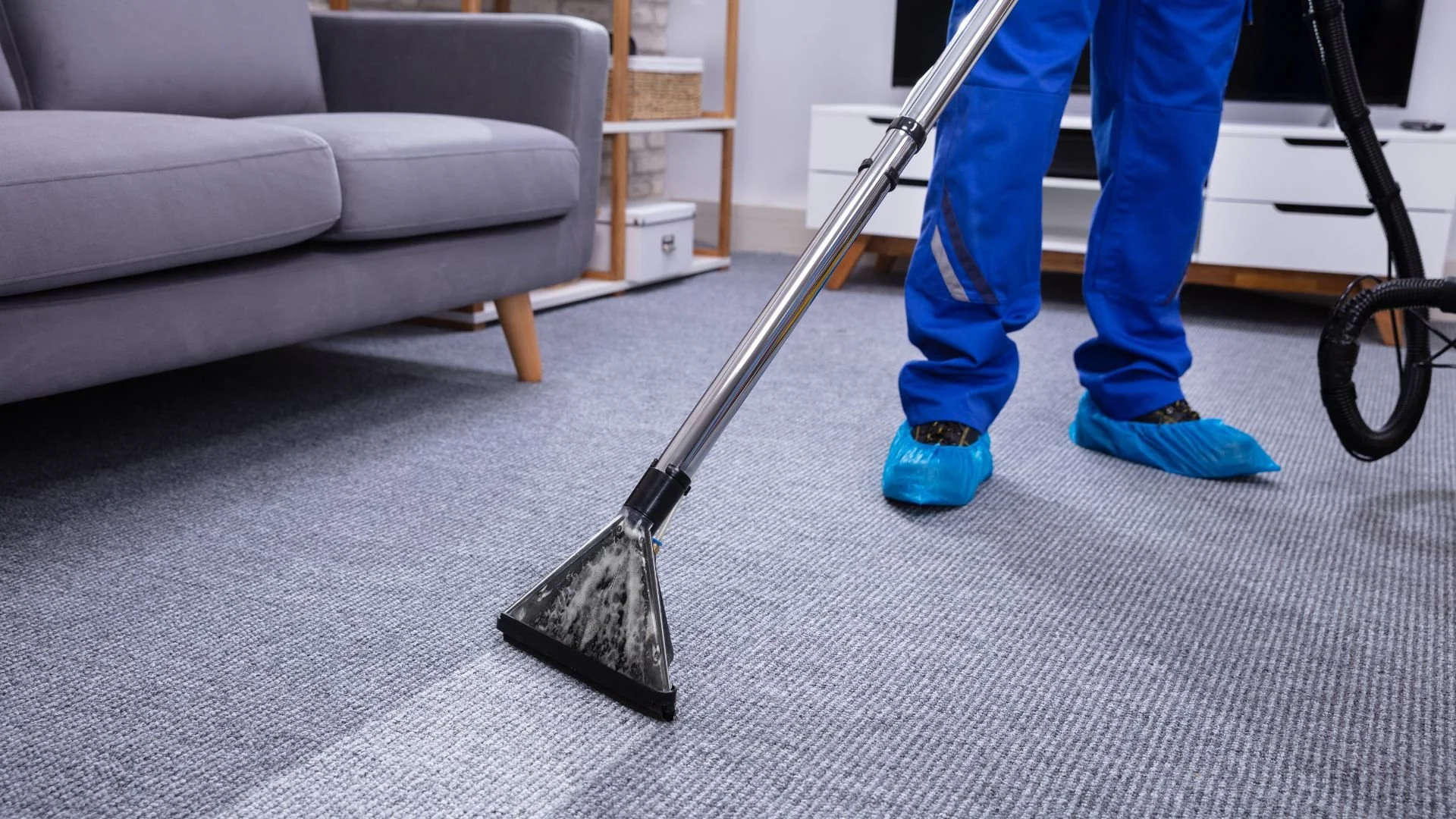
Recruitment is only half the challenge. Retaining skilled, motivated employees in a hygienic workplace environment requires sustained commitment to standards that go well beyond the visible. Post-COVID health concerns have sharpened awareness of pathogen transmission, and employees are now acutely sensitive to the conditions in which they spend eight or more hours of their day.

Why FM Workers are the New Workplace Heroes
In 2026, the Facilities Management (FM) worker is no longer just a service provider; they are a mission-critical asset. As buildings become more complex and workplace expectations soar, these professionals have emerged as the New Workplace Heroes, keeping the gears of the British industry turning through a unique blend of technical prowess and operational agility.

Planned vs. Reactive Maintenance: Protecting Your Asset Value During a Recession
In the current UK economic landscape, facilities management is no longer just about keeping the lights on; it’s a frontline strategy for financial resilience. As we navigate 2026, the squeeze of rising material costs and a tighter labor market has turned maintenance from a back-office necessity into a board-level priority. For FM companies, healthcare providers, and building managers, the choice between planned and reactive maintenance is now the difference between protecting asset value and watching it erode under the weight of emergency invoices.

Beyond the Mop and Bucket: The Professionalisation of Cleaning in 2026
The transition from "cleaner" to "Facilities Management Professional" has been swift and decisive. In the current 2026 climate, organisations no longer view soft FM services - such as cleaning, waste management, and catering - as optional overheads. Instead, they are viewed as vital components of risk management and employee wellbeing. This professionalisation is driven by a commitment to service excellence and a deep understanding of the unique needs within the industrial, healthcare, and tech sectors.